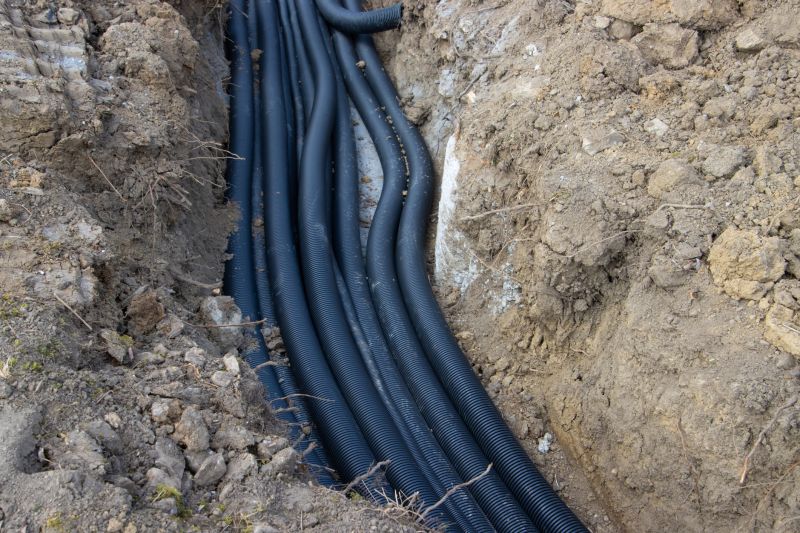
Electrical Line Trenching in Atlanta, GA
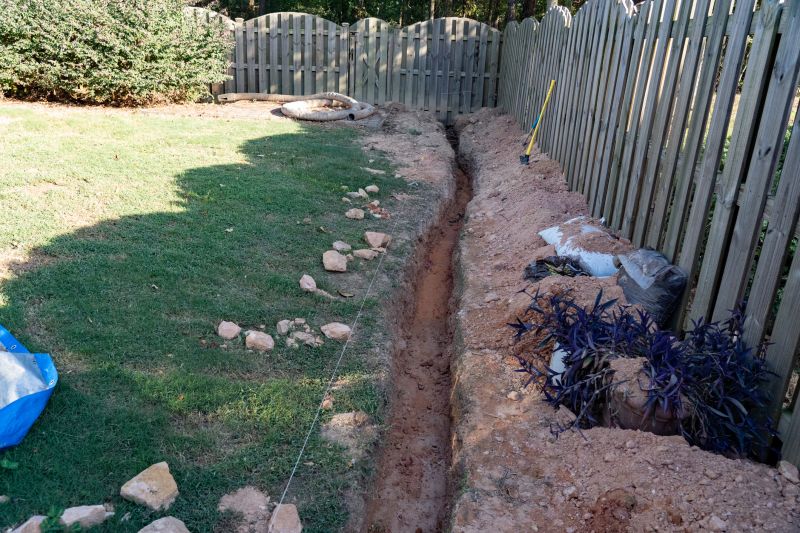
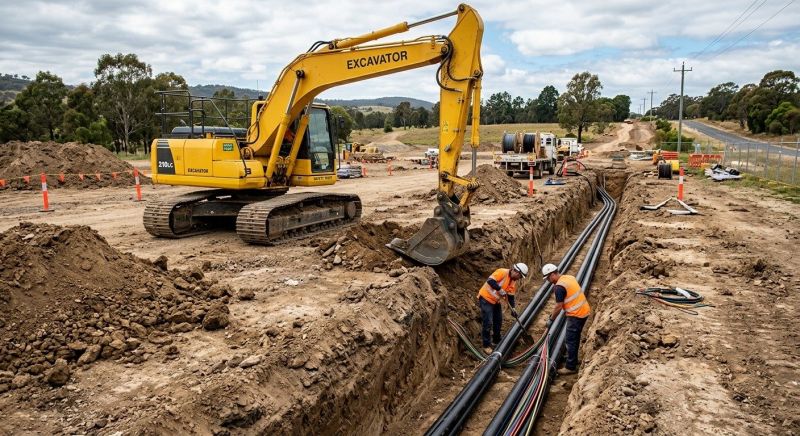
Electrical line trenching services involve excavating narrow channels in the ground to lay electrical cables safely and securely beneath the surface. This process is commonly used for installing new utility lines, extending existing electrical systems, or setting up underground wiring for outdoor lighting, fences, or solar panel connections. Property owners often request trenching to ensure their electrical wiring is protected from damage, meets local codes, and maintains a neat appearance without visible overhead lines.
Before requesting electrical line trenching, property owners typically want to understand the scope of the project, including the length and depth of the trench, the type of wiring to be installed, and any permits or regulations that may apply. It’s also important to consider the location of existing underground utilities, such as water or gas lines, to avoid potential conflicts. Clear communication about project goals and site conditions can help ensure the trenching process proceeds smoothly and safely.
Many property owners in Atlanta, GA look into Electrical Line Trenching for repairs, replacements, upgrades, and appearance-related improvements.
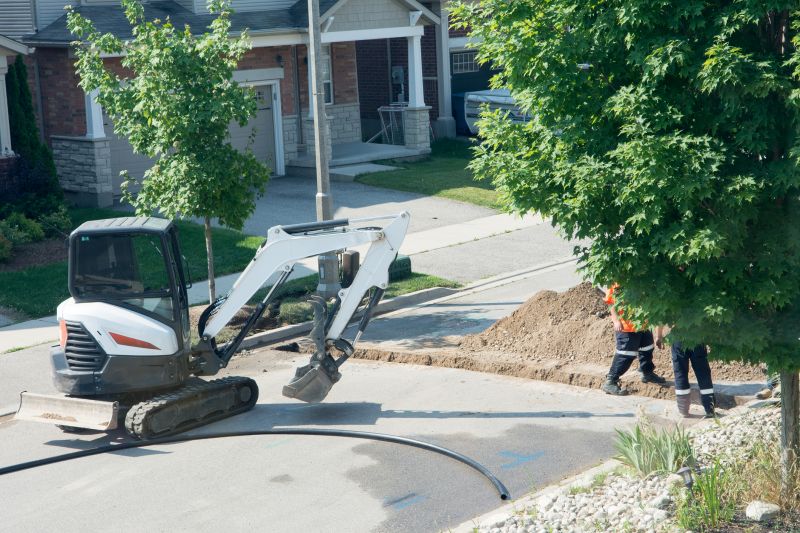
Residential Electrical Line Trenching
This service helps homeowners install new electrical lines for additions, garages, or outdoor lighting in atlanta and surrounding areas.
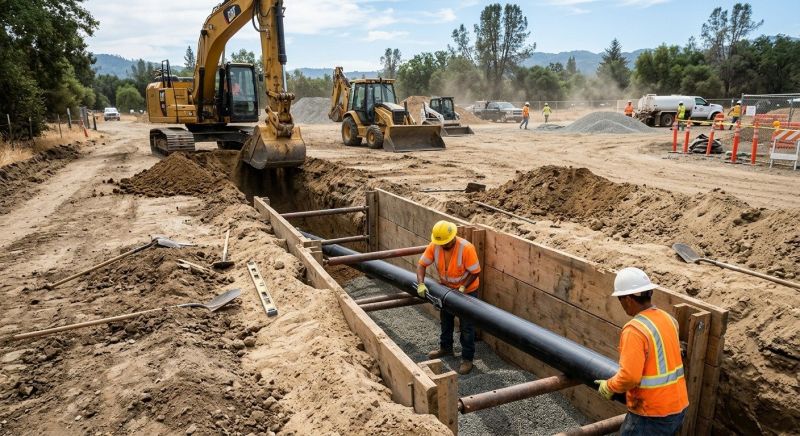
Underground Utility Installation
Trenching is essential for safely burying electrical cables to ensure reliable power delivery for commercial and industrial properties.
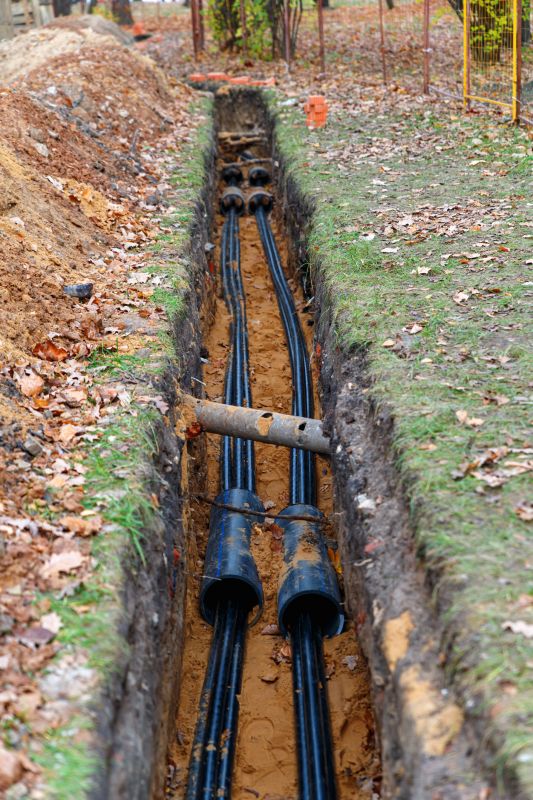
Repair And Maintenance Trenching
Accessing underground lines through trenching allows for efficient repairs and upgrades to existing electrical systems on various property types.
Electrical Line Trenching in Atlanta, GA

Electrical line trenching services involve excavating narrow channels in the ground to lay electrical cables safely and securely beneath the surface. This process is commonly used for installing new utility lines, extending existing electrical systems, or setting up underground wiring for outdoor lighting, fences, or solar panel connections. Property owners often request trenching to ensure their electrical wiring is protected from damage, meets local codes, and maintains a neat appearance without visible overhead lines.
Before requesting electrical line trenching, property owners typically want to understand the scope of the project, including the length and depth of the trench, the type of wiring to be installed, and any permits or regulations that may apply. It’s also important to consider the location of existing underground utilities, such as water or gas lines, to avoid potential conflicts. Clear communication about project goals and site conditions can help ensure the trenching process proceeds smoothly and safely.
Many property owners in Atlanta, GA look into Electrical Line Trenching for repairs, replacements, upgrades, and appearance-related improvements.
Common Electrical Line Trenching Jobs
Electrical line trenching - creates a safe pathway for underground electrical cables across residential properties.
Utility installation - involves trenching for new electrical service connections to homes and outbuildings.
Landscape wiring - provides underground wiring solutions for outdoor lighting, irrigation, and other systems.
Repair and maintenance - involves trenching to access and repair existing underground electrical lines.
Storm damage repair - includes trenching to replace or reroute electrical lines affected by severe weather.
Property upgrades - supports electrical system expansions through precise trenching for new wiring routes.
Electrical Line Trenching Questions
What is electrical line trenching? Electrical line trenching involves digging a narrow, shallow channel in the ground to lay electrical cables safely underground for property wiring or upgrades.
When is trenching necessary for electrical projects? Trenching is needed when installing new underground electrical lines, upgrading existing wiring, or connecting to utility services on a property.
How deep are electrical trenches typically dug? Trenches are usually dug between 18 to 24 inches deep to ensure safety and compliance with local codes.
What should property owners consider before trenching? It's important to identify existing underground utilities and choose appropriate trenching methods to prevent damage and ensure proper installation.
Request Electrical Line Trenching in Atlanta, GA
Use the quote form on this page to share the basics of your project and request more information for the type of work you need.